
How to Fix Spring Inflatables: Quick Repairs for Holes, Seams & Weak Blowers
Fix spring inflatables fast with simple repairs for holes, seam leaks, and weak blowers. Learn beginner safe patching, sealing, and troubleshooting tips to get your décor running again.
By Frank “Frosty” Adminei
3/2/20265 min read
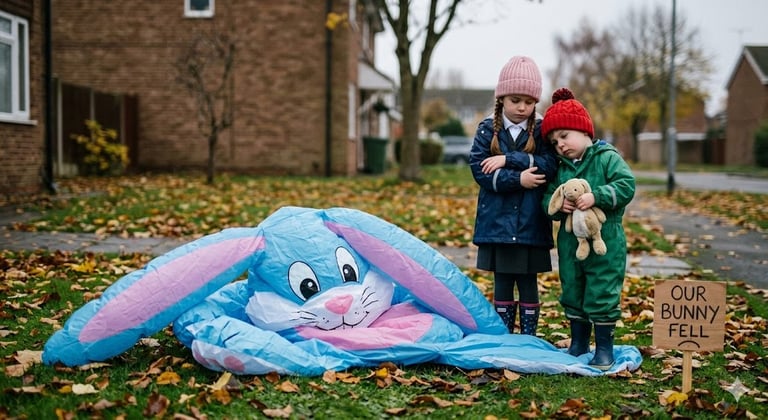
To fix spring inflatables, patch small holes with clear TPU repair tape, seal seam leaks with fabric adhesive, and restore weak blowers by cleaning the intake, checking the zipper vents, and ensuring proper power supply. Most repairs take under 10 minutes and can extend the life of your inflatable for years.
Overview
Spring inflatables often come out of storage with small holes, seam leaks, or blower issues caused by winter compression, moisture, or aging fabric. This guide explains how to identify leaks, patch holes, repair seams, troubleshoot weak blowers, and safely restore your inflatable for the spring season.
Introduction: Spring Repairs Are Part of the Season
Every spring, I unpack my inflatables and expect at least one surprise—an air leak, a weak blower, or a seam that didn’t survive winter storage. It’s normal. Nylon and polyester fabrics soften in storage, adhesives age, and blowers collect dust. The good news? Most spring inflatable problems are quick, beginner‑friendly fixes. With the right tools and a little patience, you can bring your favorite bunny, chick, or garden gnome back to life in minutes.
For a full troubleshooting system that complements these spring repair steps, see the Ultimate Guide to Repairing and Troubleshooting Inflatable Decorations.
How to Diagnose the Problem
Check for Air Leaks
Look for:
Slow inflation
Sagging sections
Hissing sounds
Areas that won’t stay upright
Use your hand to feel for escaping air or spray a light mist of soapy water to reveal bubbles.
Inspect the Blower
A weak blower often causes:
Slow inflation
Soft fabric
Flickering LEDs
Overheating
Check the intake screen for dust, leaves, or pet hair.
Examine Zippers & Vents
Most inflatables have:
A main zipper for deflation
Small vent zippers for airflow control
If a zipper is partially open, the inflatable won’t reach full pressure.
Look for Seam Separation
Seams can loosen after winter storage. Signs include:
Air escaping along stitching
Fabric pulling apart
Wrinkling near seams
For foundational repair techniques that apply year‑round, read Best Practice Tips to Repair Your Inflatable Decorations.

How to Fix Holes in Spring Inflatables
Use Clear TPU Repair Tape
TPU tape is the gold standard for inflatable repair because it:
Stretches with the fabric
Creates an airtight seal
Works in cold or damp spring weather
How to apply:
Clean the area with mild soap and water
Dry completely
Cut a rounded‑edge patch
Apply firmly and smooth out bubbles
Let cure for 30 minutes
Use Fabric Patches for Larger Holes
For holes larger than a quarter:
Use nylon or polyester repair patches
Apply with fabric adhesive
Press firmly and allow to cure overnight
Temporary Fix: Packing Tape
Not ideal, but works in a pinch for:
One‑day displays
Emergency repairs
Hidden areas
Replace with TPU tape as soon as possible.
For step‑by‑step instructions on patching holes or sealing seams, refer to How to Fix Seams, Tears & Holes in Holiday Inflatables (Beginner to Pro Repairs).

How to Repair Seam Leaks
Use Fabric Adhesive
Fabric adhesive seals:
Loose stitching
Small seam gaps
Micro‑tears
Apply a thin bead along the seam and press together for 1–2 minutes.
Reinforce with TPU Tape (Optional)
For high‑stress seams:
Apply TPU tape over the repaired area
Smooth firmly
Allow full curing before inflating
Check Zippers Near Seams
Sometimes the “leak” is actually:
A zipper not fully closed
A zipper caught on fabric
A vent left open
Close all zippers tightly before assuming the seam is damaged.

How to Fix Weak or Non‑Working Blowers
Clean the Intake Screen
Dust and debris reduce airflow by up to 50%.
Use:
A soft brush
Light compressed air
A microfiber cloth
Check the Power Source
Weak blowers often result from:
Long, thin extension cords
Daisy‑chained cords
Non‑GFCI outlets
Loose plug connections
Use a 12‑gauge SJTW cord for best performance.
Inspect the Fan Blades
Look for:
Bent blades
Debris stuck inside
Loose screws
If the blower rattles, tighten the housing screws.
Test the Zipper Vents
If a vent is open:
The blower will run
But the inflatable won’t pressurize
Close all vents fully.
Check for Internal Obstructions
Sometimes:
Fabric folds
Internal wires
LED housings
…block airflow. Reach inside and gently reposition.
If weak airflow is part of the problem, you’ll find blower‑specific troubleshooting in How to Fix an Inflatable Decoration Fan (Step by Step Guide).

How to Fix LED Issues
Check Internal Wiring
Loose wires cause:
Flickering
Dim lighting
No illumination
Gently adjust the LED housing inside the inflatable.
Replace Burned‑Out LEDs
Most spring inflatables use:
Low‑wattage LEDs
Simple plug‑in modules
Replacement is usually plug‑and‑play.
Check the Blower’s Power Output
Weak blower = weak LEDs. Fix the blower first before assuming the LEDs are faulty.

Product Recommendations
1. Clear TPU Repair Tape (Outdoor‑Rated)
Why it fits: Creates airtight, flexible patches for holes and tears.
Who it’s for: Anyone repairing spring inflatables.
Why selected: Works in cold, damp weather.
Product Discovery Fingerprint: "clear TPU repair tape inflatable patch outdoor waterproof"
2. Nylon/Polyester Repair Patch Kit
Why it fits: Ideal for larger holes or fabric tears.
Who it’s for: Older inflatables with worn fabric.
Why selected: Color‑matched patches blend well.
Product Discovery Fingerprint: "nylon polyester repair patch kit inflatable fabric adhesive"
3. Outdoor Fabric Adhesive (Flexible, Clear‑Drying)
Why it fits: Seals seam leaks and small tears.
Who it’s for: Seam repairs and high‑stress areas.
Why selected: Dries clear and remains flexible.
Product Discovery Fingerprint: "outdoor fabric adhesive clear flexible seam repair"
4. Soft‑Bristle Cleaning Brush
Why it fits: Safely cleans blower intakes and fabric.
Who it’s for: Routine maintenance and spring prep.
Why selected: Prevents blower strain.
Product Discovery Fingerprint: "soft bristle cleaning brush blower intake cleaner"
5. 12‑Gauge Outdoor Extension Cord (SJTW Rated)
Why it fits: Ensures full blower power with minimal voltage drop.
Who it’s for: Medium to large inflatables.
Why selected: Cold‑weather flexible and durable.
Product Discovery Fingerprint: "12 gauge SJTW outdoor extension cord cold weather"
6. Weatherproof Cord Connection Box
Why it fits: Prevents GFCI trips during spring rain.
Who it’s for: Any outdoor inflatable setup.
Why selected: Keeps plugs dry and stable.
Product Discovery Fingerprint: "weatherproof extension cord connection box outdoor waterproof"
Practical Repair Scenarios
Small Hole on a Bunny Ear
Clean area
Apply TPU tape
Smooth and cure
Inflate to test
Seam Leak on a Chick’s Wing
Apply fabric adhesive
Reinforce with TPU tape
Let cure overnight
Weak Blower on a Frog Inflatable
Clean intake
Check zipper vents
Replace extension cord
Test blower again
Author Insight
After years of repairing inflatables, I’ve learned that most issues look worse than they are. A tiny hole can make an inflatable sag, but a simple patch brings it back to life. A weak blower often just needs a clean intake or a better cord. With a few tools and a little patience, you can keep your spring inflatables running beautifully year after year.
FAQ
How do I find a leak in my inflatable? Feel for escaping air or use a soapy water spray to reveal bubbles.
Can I use duct tape to fix an inflatable? Temporarily, yes—but TPU tape is the proper long‑term fix.
Why is my inflatable still sagging after patching? Check for additional leaks, open zippers, or a weak blower.
Can I repair inflatables in cold weather? Yes—TPU tape and fabric adhesive work well in spring temperatures.
How long do inflatable repairs last? A proper TPU patch can last multiple seasons.