
Browse all Inflatable Power & Extension Cords guides, tips and ideas.
INTRO
Power setups are one of the most important parts of running outdoor inflatables safely and reliably. Whether you’re decorating for the holidays or setting up a year‑round display, choosing the right extension cords, power accessories, and energy‑efficient tools makes a major difference in performance and safety. This page brings together our most helpful guides on outdoor cords, smart timers, energy usage, and weather‑resistant setups so you can build a display that stays bright, secure, and efficient in any season.
FAQ SECTION
Frequently Asked Questions About Outdoor Power and Extension Cords
What type of extension cord should I use for outdoor inflatables Always use cords labeled for outdoor use with strong insulation and weather‑resistant features. Look for UL certification and choose the correct gauge based on cord length and blower power.
How do I keep my power connections safe in wet weather Keep all plug connections elevated, covered, or placed inside outdoor‑rated protectors. Avoid letting cords sit in puddles or low‑lying areas where water collects.
Can I run multiple inflatables on one extension cord It depends on the cord’s gauge and the total wattage of the inflatables. Overloading a single cord can cause dimming, blower slowdown, or tripped breakers. When in doubt, split the load across multiple outlets.
Do smart plugs work with outdoor inflatables Yes, as long as the smart plug is rated for outdoor use. They allow remote control, scheduling, and energy monitoring, making them a useful addition to any display.
Why does my inflatable lose power when the weather gets cold Cold temperatures can stiffen cords and reduce airflow if the blower is struggling. Make sure cords are the correct gauge and that the blower intake is clear. Using shorter cords can also help maintain consistent power.
How can I reduce the energy cost of my display Use LED inflatables, set timers for shorter run windows, and group inflatables on shared smart plugs. These small adjustments can significantly lower energy usage.
SAFETY ESSENTIALS FOR OUTDOOR POWER
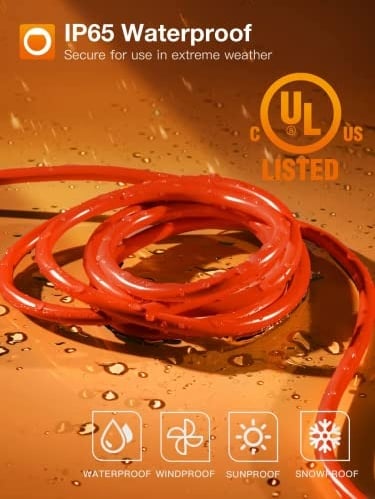
Outdoor inflatables rely on stable, weather‑safe power sources. Always use cords rated for outdoor use, and check for labels such as waterproof, weather‑resistant, or IP65‑rated. Keep all connections off the ground to prevent moisture buildup, and avoid overloading a single outlet with too many inflatables. If you’re decorating during rainy or snowy seasons, make sure your cords and plugs are protected from standing water and placed where they won’t be stepped on or tripped over. A safe power setup keeps your inflatables running smoothly and reduces the risk of electrical issues.
CHOOSING THE RIGHT EXTENSION CORDS
Not all extension cords are created equal. Outdoor displays need cords with thick insulation, strong weather resistance, and the correct amperage for your inflatables. Longer cords require heavier gauges to prevent power drop‑off, especially when running multiple blowers. Look for cords with reinforced ends, bright colors for visibility, and UL certification for safety. Using the right cord ensures consistent airflow, brighter lights, and fewer mid‑season failures.
POWER ACCESSORIES THAT IMPROVE YOUR DISPLAY
Smart plugs, outdoor timers, and power stakes make managing your inflatables easier and more efficient. Timers help automate your display so it turns on and off at the same time each day. Smart plugs allow remote control and energy tracking. Power stakes keep cords elevated and organized, reducing clutter and preventing moisture exposure. These accessories help you build a cleaner, safer, and more reliable setup.
ENERGY USE AND COST‑SAVING TIPS
Inflatables can be surprisingly energy‑efficient when set up correctly. LED‑lit inflatables use far less power than older models, and smart timers prevent unnecessary runtime. Grouping inflatables on shared timers or smart plugs helps you control usage more precisely. If you’re concerned about energy costs, consider running your display for shorter evening windows or using low‑wattage spotlights instead of multiple internal lights. Small adjustments can significantly reduce your monthly bill without dimming your holiday spirit.
WEATHER‑RESISTANT SETUPS
Outdoor power setups must be prepared for rain, wind, and temperature changes. Use weather‑rated cords and keep all plug connections elevated or covered with outdoor‑safe protectors. Avoid placing cords in areas where water naturally collects. If a storm is expected, unplug your inflatables and store cords temporarily to prevent damage. A weather‑resistant setup ensures your display stays safe and functional throughout the season.
TROUBLESHOOTING COMMON POWER ISSUES
If an inflatable suddenly deflates or loses brightness, the issue is often related to power. Check for loose connections, overloaded circuits, or cords that are too long for the blower’s power needs. Inspect plugs for moisture and ensure the blower intake is clear of debris. If multiple inflatables are connected to one outlet, redistribute them to balance the load. Simple troubleshooting steps can quickly restore your display.
CONCLUSION SECTION
A reliable power setup is the foundation of any successful inflatable display. With the right cords, accessories, and safety practices, you can create a setup that performs well in any weather and keeps your inflatables running at full strength. The guides on this page cover everything from choosing outdoor‑rated cords to managing energy use and troubleshooting common issues. Use these resources to build a display that’s safe, efficient, and ready for any season.