
Spring Cleaning Guide: How to Clean, Dry & Refresh Your Inflatables After Winter Storage
Refresh your spring inflatables after winter storage with this easy cleaning, drying, and wrinkle removal guide. Make your decorations look bright, clean, and ready for the season.
By Frank “Frosty” Adminei
3/2/20264 min read
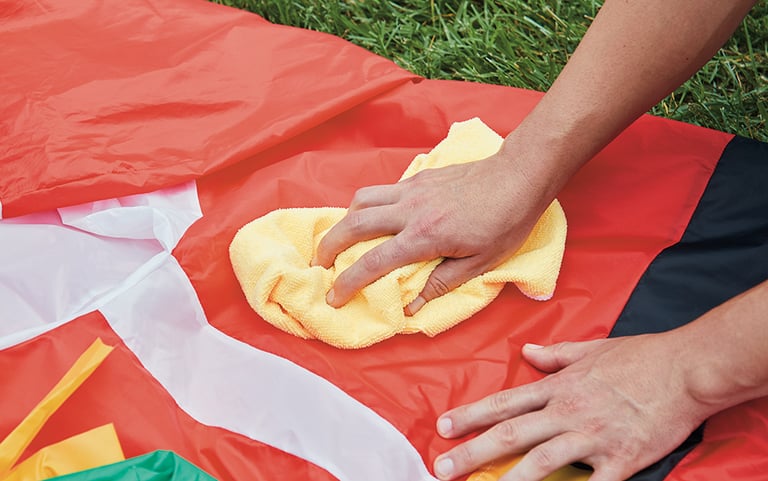
To clean spring inflatables after winter storage, wipe the fabric with a mild soap-and-water solution, rinse with a damp cloth, and let the inflatable fully air‑dry before plugging it in. Remove wrinkles using gentle warm air, check for mold or debris, and inspect zippers, seams, and blowers before your first spring setup.
Overview
Spring inflatables often come out of storage with wrinkles, dust, and winter odors. This guide explains how to safely clean inflatable fabric, remove creases, dry the material without damage, refresh LEDs and blowers, and prepare your decorations for early‑season weather. You’ll also learn how to prevent mold, protect colors, and extend the life of your spring décor.
Introduction: Waking Up Your Spring Inflatables
There’s something special about pulling out your spring inflatables after a long winter. The colors feel brighter, the characters feel happier, and the whole yard starts to come alive again. But after months in storage, even the best inflatables need a little TLC—dust, creases, and musty smells are all part of the seasonal routine. Over the years, I’ve learned that a gentle cleaning and a careful refresh can make an inflatable look brand‑new, last longer, and inflate more smoothly. Spring decorating starts with a clean slate—and a clean inflatable.
Unpack & Inspect Your Inflatable
Check for Winter Storage Issues
Look for:
Dust or dirt buildup
Wrinkles and creases
Musty or stale odors
Fabric stiffness
Loose threads
Bent stakes or missing tethers
Blower debris
Let the inflatable warm to room temperature before cleaning.
Inspect the Blower
Check:
Air intake vents
Fan blades
Power cord
Plug
Zipper access points
Remove lint or debris with a soft brush.
Clean the Inflatable Fabric
Use a Mild Cleaning Solution
Mix:
1 teaspoon mild dish soap
1 quart warm water
Avoid bleach or harsh chemicals.
Wipe Down the Surface
Use:
Microfiber cloth
Soft sponge
Soft‑bristle brush
Focus on printed areas, edges, and the base.
Rinse With a Damp Cloth
Remove soap residue without soaking the blower area.
Spot‑Treat Stains
Use diluted white vinegar for mildew or stubborn marks.
Dry the Inflatable Properly
Air‑Dry Before Inflating
Lay the inflatable on:
A tarp
A patio
A porch railing
Avoid grass, which adds moisture.
Inflate to Finish Drying
Run the blower for 20–30 minutes to dry interior seams.
Check for Damp Spots
Pay attention to:
Base fabric
Seams
Internal pockets
Continue drying if needed.
Remove Wrinkles & Creases
Warm Air Method
Use:
Hair dryer on low
Heat gun on cool
Inflatable’s own blower
Hold 8–12 inches away.
Sun‑Softening Method
Place in gentle sunlight for 10–15 minutes.
Inflate & Massage Method
Smooth creases by hand while inflated.
Refresh the Blower & Electrical Components
Clean the Blower Intake
Use a soft brush or light compressed air.
Check the Power Cord
Look for cracks, fraying, or bent prongs.
Test the LEDs
Check for brightness, flickering, or loose wires.

Prepare for Outdoor Spring Weather
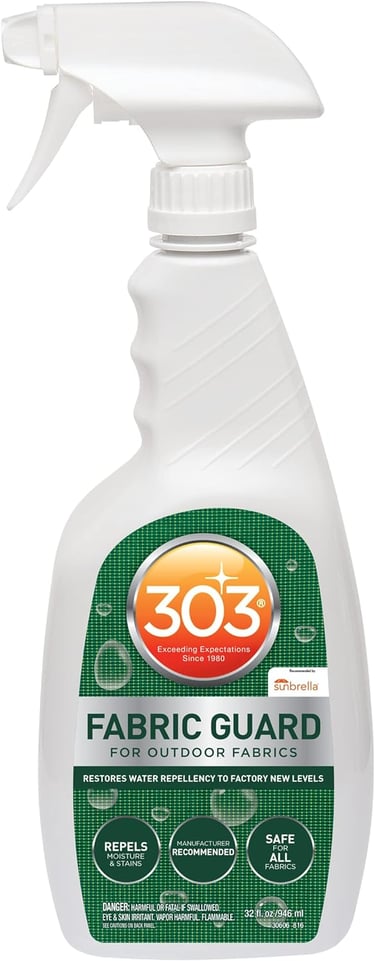
Apply Fabric Protectant (Optional)
Helps repel water and preserve color.
Check Zippers & Seams
Ensure everything closes fully and no leaks are present.
Refresh Tethers & Stakes
Replace worn or bent hardware.

Product Recommendations
1. Mild Outdoor‑Safe Cleaning Solution (Non‑Bleach)
Why it fits: Safe for printed details and nylon fabric.
Who it’s for: Anyone cleaning inflatables after winter storage.
Why selected: Gentle, effective, and color‑safe.
Product Discovery Fingerprint: "mild outdoor safe cleaning solution non bleach inflatable fabric cleaner"
2. Microfiber Cleaning Cloths (Soft, Non‑Abrasive)
Why it fits: Prevents scratching or fading.
Who it’s for: All inflatable owners.
Why selected: Ideal for wiping printed surfaces.
Product Discovery Fingerprint: "microfiber cleaning cloth soft non abrasive outdoor decor"
3. Soft‑Bristle Cleaning Brush
Why it fits: Removes dirt without damaging fabric.
Who it’s for: Inflatables with textured or detailed areas.
Why selected: Helps lift winter grime safely.
Product Discovery Fingerprint: "soft bristle cleaning brush gentle nylon fabric cleaner"
4. Outdoor Fabric Protectant Spray (Nylon‑Safe)
Why it fits: Adds water resistance and protects colors.
Who it’s for: Homeowners in rainy or humid spring climates.
Why selected: Extends inflatable lifespan.
Product Discovery Fingerprint: "outdoor fabric protectant spray nylon safe water repellent"
5. Portable Air Blower or Low‑Heat Hair Dryer
Why it fits: Safely removes wrinkles and speeds drying.
Who it’s for: Anyone refreshing inflatables after storage.
Why selected: Prevents overheating and fabric damage.
Product Discovery Fingerprint: "low heat hair dryer portable blower wrinkle removal inflatable"
Practical Cleaning Scenarios
Porch or Patio Cleaning
Lay inflatable on a clean table or tarp
Use mild soap and microfiber cloth
Inflate to finish drying
Townhome Entryway Refresh
Use warm air to remove wrinkles
Clean base fabric with a damp cloth
Test LEDs indoors
Large Yard Display Prep
Clean sections one at a time
Use a blower to speed drying
Inspect all tethers and stakes

Author Insight
After years of working with inflatables, I’ve learned that a little spring cleaning goes a long way. A clean, wrinkle‑free inflatable not only looks better—it inflates faster, stays brighter, and lasts longer. Spring is all about fresh starts, and giving your inflatables a quick refresh sets the tone for the whole season.
FAQ
Can I use bleach to clean inflatables? No—bleach can fade colors and damage fabric.
How do I remove wrinkles from an inflatable? Use warm air, sunlight, or gentle stretching while inflated.
Can inflatables get moldy in storage? Yes—always dry completely before storing.
Is it safe to wash inflatables with a hose? Light rinsing is fine, but avoid soaking the blower area.
How often should I clean my inflatables? At least once each spring, and again before winter storage.