
How to Keep Spring Inflatables From Blowing Away: Wind Proofing Tips That Actually Work
Keep your spring inflatables secure with proven wind proofing tips. Learn how to anchor, weight, and position inflatables so they stay upright through gusty spring weather.
By Frank “Frosty” Adminei
3/2/20264 min read


The best way to keep spring inflatables from blowing away is to use angled ground stakes, short, tight tethers, and hidden sandbags, combined with wind‑smart placement near walls, railings, or landscaping. Add U‑shaped landscape pins, weighted bases, and blower stabilization to keep inflatables secure during gusty spring weather.
Overview
Spring winds are unpredictable—calm one minute, gusty the next. This guide explains how to anchor inflatables safely using stakes, weights, tethers, sandbags, and strategic placement. You’ll learn how wind affects inflatable stability, how to secure displays on porches and patios, and which products help prevent tipping, sliding, or lift‑off.
For a complete overview of protecting inflatables from wind and weather, visit The Best Maintenance & Safety Hacks for Holiday Inflatables
Introduction: Spring Winds Are Sneaky
Spring decorating is full of charm—bright colors, cheerful characters, and the excitement of warmer weather. But spring winds? They’re unpredictable. I’ve set up displays where a gentle morning breeze turned into a 25‑mph gust by lunchtime. Over the years, I’ve learned that keeping spring inflatables grounded isn’t about brute force—it’s about smart anchoring, balanced tension, and using the environment to your advantage. When done right, even a tall bunny or garden gnome can stay steady through unpredictable spring weather.
Why Spring Inflatables Blow Away
Spring winds behave differently than fall or winter winds:
Gust cycles are shorter and more sudden
Ground is softer, reducing stake grip
Morning dew loosens soil
Inflatables are lighter than winter models
Cold air pockets create uneven pressure
Understanding these factors helps you anchor your display more effectively.

Wind‑Proofing Techniques That Actually Work
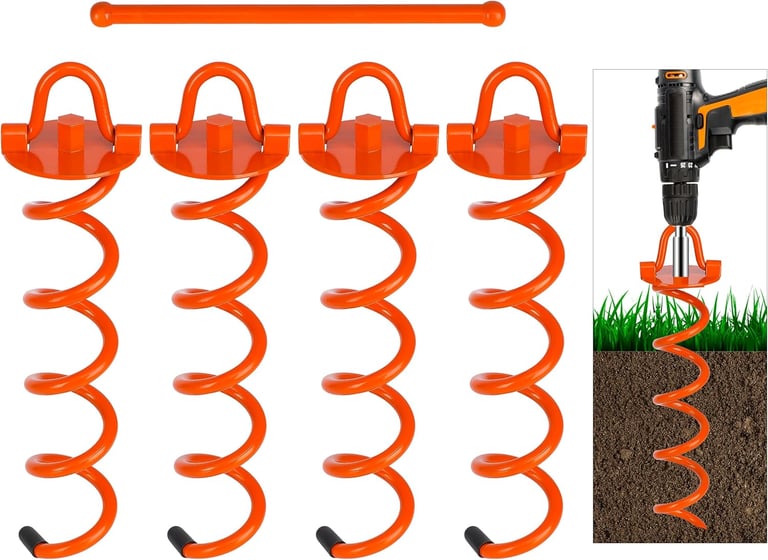
Use Angled Ground Stakes
Straight‑down stakes pull out easily. Drive stakes at a 45‑degree angle, pointing away from the inflatable. This increases resistance against upward and sideways force.
Shorten and Tighten Tethers
Loose tethers allow swaying, which increases lift. Short, tight tethers:
Reduce movement
Lower wind resistance
Keep the inflatable centered
Use all tether points, even if the inflatable seems stable without them.
For general wind‑proofing strategies that apply year‑round, see Simple Ways to Keep Holiday Inflatables From Blowing Away.
Add Hidden Sandbags
Sandbags are the secret weapon of professional decorators.
Place them:
Inside the inflatable base (if accessible)
Behind the inflatable
Over internal legs or supports
On top of the blower housing (only if safe and unobstructed)
Sandbags prevent sliding and tipping without altering the look of the display.
Use U‑Shaped Landscape Pins
These pins secure:
Base fabric
Tether straps
Blower cords
Decorative props
They’re especially useful in mulch, soft soil, and early‑spring lawns.
Choose Wind‑Smart Placement
The environment is your best anchor.
Ideal locations:
Against porch railings
Next to exterior walls
In corners
Behind shrubs
Near fences
Under overhangs
Avoid open yard centers where wind accelerates.
Secure the Blower
A shifting blower destabilizes the entire inflatable.
Use:
Landscape pins
Sandbags
Weighted bricks
Rubber mats
A stable blower = a stable inflatable.
Use Weighted Bases for Porches & Patios
For hard surfaces where stakes don’t work:
Sandbags
Water weights
Decorative planters
Weighted pots
Rubber gym plates
These keep inflatables grounded without drilling or damaging surfaces.
Avoid Over‑Inflation in High Winds
A fully rigid inflatable catches more wind. Slightly softer inflation reduces lift and sway.

Product Recommendations
1. Heavy‑Duty Outdoor Ground Stakes (Metal, 8–12 in)
Why it fits: Long metal stakes grip soft spring soil better than plastic ones.
Who it’s for: Yard displays exposed to open wind.
Why selected: Angled installation provides maximum hold.
Product Discovery Fingerprint: "heavy duty metal ground stakes 10 inch outdoor inflatable anchor"
2. U‑Shaped Landscape Pins (Galvanized Steel)
Why it fits: Secures base fabric, tethers, and cords.
Who it’s for: Mulch beds, soft lawns, and early‑spring soil.
Why selected: Low‑profile and nearly invisible.
Product Discovery Fingerprint: "u shaped landscape pins galvanized steel 6 inch lawn staples"
3. Outdoor Sandbags for Inflatables (Weather‑Resistant)
Why it fits: Adds hidden weight without altering appearance. Who it’s for: Porches, patios, and windy yards. Why selected: Works on any surface and prevents tipping. Product Discovery Fingerprint: "outdoor sandbags for inflatables weather resistant weight bags"
4. Weighted Water Bags (Portable, Refillable)
Why it fits: Ideal for renters or townhomes—no permanent hardware.
Who it’s for: Hard surfaces where stakes can’t be used.
Why selected: Easy to store and refill each season.
Product Discovery Fingerprint: "inflatable weight water bags refillable outdoor anchor"
5. Heavy‑Duty Tie‑Down Straps (Adjustable, Low‑Stretch)
Why it fits: Provides stronger tension than standard inflatable tethers.
Who it’s for: Medium to large inflatables in gusty areas.
Why selected: Reduces sway and keeps inflatables centered.
Product Discovery Fingerprint: "heavy duty tie down straps adjustable low stretch outdoor"
6. Rubber Anti‑Slip Mats (Blower Stabilization)
Why it fits: Prevents blower movement on patios and decks.
Who it’s for: Hard‑surface setups.
Why selected: Adds friction and reduces vibration.
Product Discovery Fingerprint: "rubber anti slip mat outdoor blower stabilization pad"

Small‑Space Wind‑Proofing Strategies
Porches
Use weighted bases
Place inflatables against railings
Add sandbags behind the inflatable
Use short tethers attached to porch posts
Patios
Use rubber mats under the blower
Anchor with water weights
Position inflatables in corners
Townhome Entryways
Choose 3–5 ft inflatables
Use landscape pins along the base
Anchor to railings or planters
Balconies
Only use micro‑inflatables
Secure with sandbags
Avoid anything taller than 4 ft
Author Insight
After years of setting up displays in unpredictable spring weather, I’ve learned that wind‑proofing is less about strength and more about strategy. A well‑anchored 6‑ft bunny can survive gusts that topple a poorly secured 4‑ft chick. The key is using the right combination of stakes, weights, and placement. When everything is balanced, your inflatable becomes part of the landscape—not a kite waiting to take off.
For summer‑specific storm protection, check out Storm-Proof Your 4th of July Inflatables with These Tips.
FAQ
How do I keep an inflatable from blowing over? Use angled stakes, short tethers, and sandbags for stability.
Can I use inflatables on windy days? Yes—up to about 15 mph with proper anchoring. Over 20 mph, take them down.
What’s the best way to anchor on a porch? Weighted bases, sandbags, and railing‑mounted tethers.
Why does my inflatable lean in the wind? Tethers may be uneven or too loose—tighten and balance them.
Do sandbags really help? Yes—sandbags add hidden weight that prevents tipping and sliding.