
How Much Electricity Do Spring Inflatables Use? Real Costs & Easy Ways to Save
Spring inflatables use far less electricity than most people think. Learn real wattage examples, monthly cost estimates, and simple ways to cut energy use while keeping your display bright.
By Frank “Frosty” Adminei
3/2/20265 min read
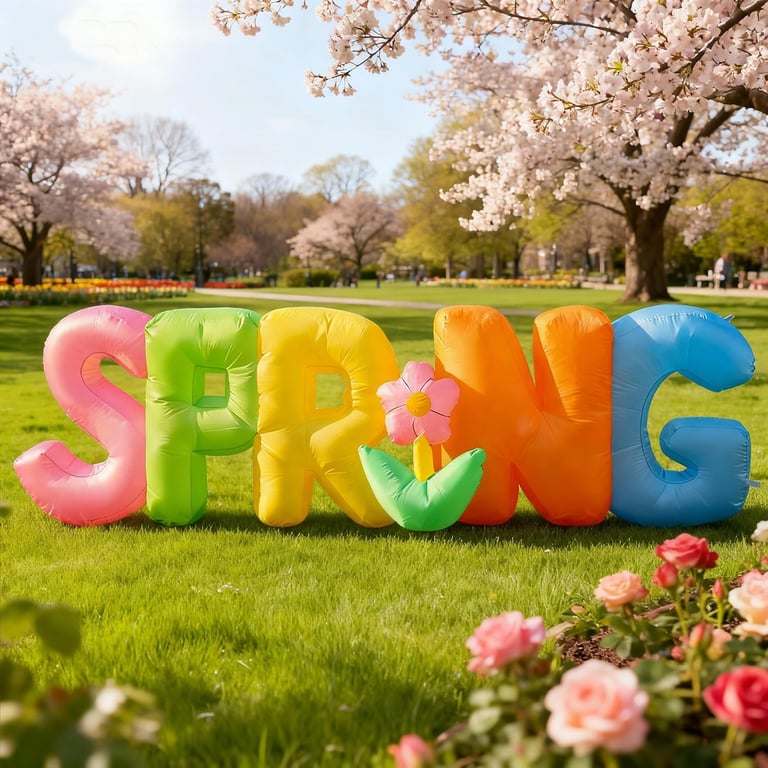
Most spring inflatables use 50–150 watts, costing about $0.01–$0.03 per hour to run. A typical 6‑hour nightly schedule costs $1.80–$5.40 per month, and using LED inflatables, timers, and shorter cord runs can reduce energy use even further.
Overview
Spring inflatables are surprisingly energy‑efficient. This guide breaks down real wattage numbers, shows how to calculate your exact electricity cost, compares blower sizes, and offers simple ways to reduce energy use without sacrificing your display. You’ll also learn how weather, cord length, and blower type affect power consumption.
Introduction: The Truth About Inflatable Energy Use
Every spring, I hear the same question: “Do these inflatables use a lot of electricity?” The short answer is no—spring inflatables are far more efficient than most people expect. After years of building seasonal displays, I’ve learned that a single LED‑lit bunny or chick inflatable often uses less power than a porch light. The key is understanding blower wattage, run time, and a few simple tricks that keep your energy bill low while your display looks its best.
For a complete overview of powering inflatables safely and efficiently, visit The Complete Guide to Energy, Power & Smart Tech for Holiday Inflatables
How Much Electricity Spring Inflatables Really Use
Typical Wattage by Inflatable Size
Inflatable blowers are small motors paired with LED lighting. Their wattage varies by size:
3–4 ft micro inflatables — 25–60 watts
4–6 ft standard inflatables — 60–90 watts
6–8 ft medium inflatables — 90–120 watts
8–12 ft large inflatables — 120–200+ watts
Most spring inflatables fall in the 50–120 watt range.
Real Cost to Run a Spring Inflatable
Electricity cost formula:
Using the U.S. average electricity rate of $0.17 per kWh:
Example: 80‑Watt Inflatable
80 watts = 0.08 kW
6 hours per night
30 days
For broader energy‑saving strategies that apply year‑round, see Energy Usage for Outdoor Decorations and Money Saving Tips.
Typical Monthly Costs
Small inflatable — $1.20–$2.00
Medium inflatable — $2.00–$4.00
Large inflatable — $4.00–$7.00
Even a multi‑inflatable display usually costs less than a cup of coffee per month.
How Weather Affects Energy Use
Spring weather plays a role:
Cold mornings make blowers work slightly harder
Wind increases motor load
Rain may cause GFCI resets but not higher usage
Warm afternoons improve efficiency
Overall, weather changes usage by 5–10% at most.
How Extension Cords Affect Power Consumption
Long or thin cords cause voltage drop, making blowers work harder.
Under 50 ft — minimal impact
50–100 ft — use 12‑gauge cords
Over 100 ft — avoid
A poor cord setup can increase energy use by 5–15%.
Energy‑Saving Tips for Spring Inflatables
Use a Timer
Set inflatables to run:
Sunset to 10 PM
Or 6 hours per night
This cuts energy use by 40–60%.
Choose LED‑Lit Inflatables
LEDs use 90% less power than older incandescent bulbs.
Use Shorter, Thicker Extension Cords
A 12‑gauge cord reduces voltage drop and keeps blower motors efficient.
Shelter Inflatables from Wind
Wind increases motor load. Place inflatables:
Against walls
Near railings
In corners
Turn Off During Rainstorms
Not for energy savings—this prevents GFCI trips and unnecessary restarts.
Product Recommendations
1. 12/3 Heavy‑Duty Outdoor Extension Cord (50 ft, SJTW Rated)
Why it fits: Thick wire minimizes voltage drop and keeps blower wattage stable.
Who it’s for: Medium to large inflatables or long porch‑to‑yard runs.
Why selected: Durable, visible, and cold‑weather friendly.
Product Discovery Fingerprint: "12/3 heavy duty outdoor extension cord 50 ft SJTW yellow"
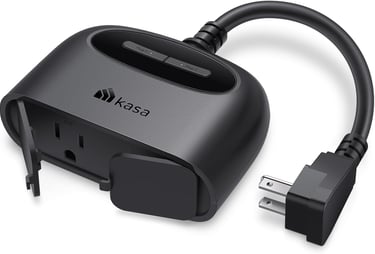
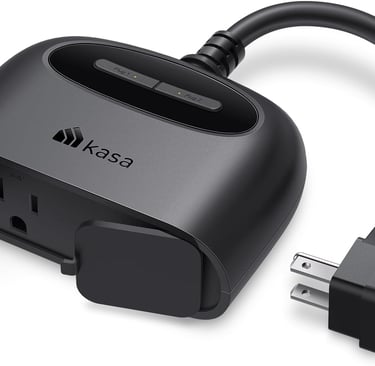
2. Outdoor Smart Plug Timer (Weather‑Resistant)
Why it fits: Automates run time to reduce energy use by up to 60%.
Who it’s for: Anyone wanting set‑and‑forget scheduling.
Why selected: Works with single or multi‑inflatable setups.
Product Discovery Fingerprint: "outdoor smart plug timer weather resistant 15A spring inflatables"
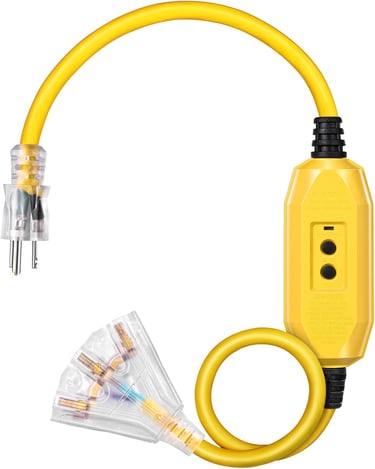
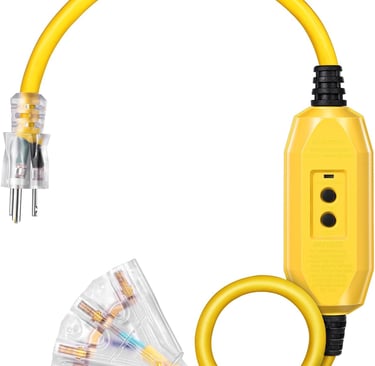
3. Portable Outdoor GFCI Adapter
Why it fits: Protects blowers from moisture‑related trips and keeps power stable.
Who it’s for: Homes with older outdoor outlets.
Why selected: Essential safety upgrade for spring weather.
Product Discovery Fingerprint: "portable outdoor GFCI adapter inline safety plug"
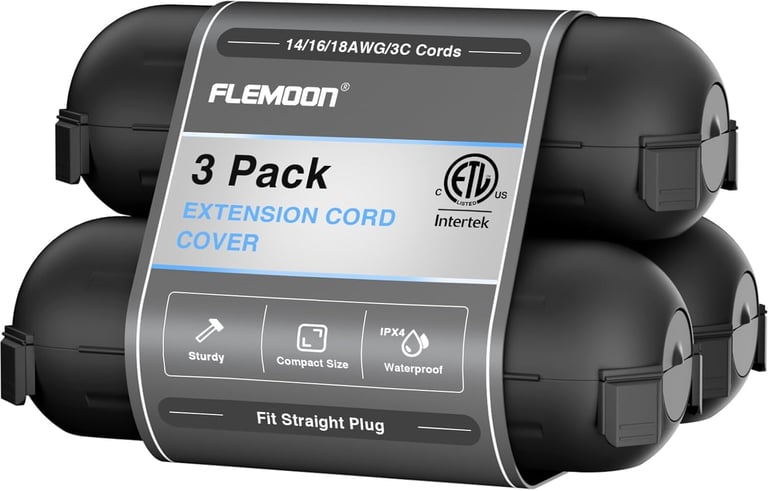
4. Weatherproof Cord Connection Box
Why it fits: Prevents moisture from reaching plug connections, reducing GFCI resets.
Who it’s for: Grass, mulch, or patio setups.
Why selected: Keeps power consistent during rain and morning dew.
Product Discovery Fingerprint: "weatherproof extension cord connection box outdoor waterproof"
5. Low‑Wattage LED Spring Inflatable (4–6 ft)
Why it fits: Uses 50–80 watts—ideal for small spaces and low energy bills. Who it’s for: Porches, patios, and townhomes. Why selected: LED lighting and compact blowers maximize efficiency. Product Discovery Fingerprint: "LED spring inflatable 4 ft 5 ft low wattage bunny chick"
Real‑World Cost Scenarios
Single 5‑ft Inflatable on a Porch
70 watts
6 hours per night
30 days Cost: ~$2.15 per month
Three Medium Inflatables in a Front Yard
90 watts each
6 hours per night
30 days Cost: ~$13.80 per month
Townhome Patio with One Micro‑Inflatable
40 watts
4 hours per night
30 days Cost: ~$0.82 per month
Spring inflatables have grown in popularity across the U.S., especially for Easter, garden themes, and whimsical characters. Many families use them as a cheerful way to welcome warmer weather without the high energy costs associated with winter holiday lighting. Their low wattage makes them ideal for small spaces, townhomes, and energy‑conscious households.
For simple ways to reduce power usage without sacrificing display quality, check out Save Energy Without Dimming Your Holiday Spirit.
Author Insight
After years of testing inflatables in every season, I’ve learned that spring displays are some of the most energy‑efficient decorations you can put in your yard. A single LED‑lit bunny often uses less power than a porch light. With a timer, a good cord, and a sheltered spot, you can run a beautiful spring display for just a few dollars a month.
FAQ
Do spring inflatables use a lot of electricity? No—most cost $1–$5 per month to run.
How many watts does a typical inflatable use? Most spring inflatables use 50–120 watts.
Is it cheaper to run inflatables at night? Yes—cooler air improves blower efficiency.
Do LED inflatables use less power? Yes—LEDs use 90% less energy than incandescent bulbs.
Will a long extension cord increase energy use? Yes—thin or long cords cause voltage drop, making blowers work harder.