
Are Bounce Houses Safe? (2026 Parent Guide)
Are Bounce Houses Safe? (2026 Parent Guide)
Learn whether bounce houses are safe for kids, what risks matter most, and how to prevent injuries with age rules, weight limits, anchoring, weather guidelines, and Frosty’s engineering grade safety framework.
By Frank “Frosty” Adminei
5/5/20262 min read
WHO THIS GUIDE IS FOR
This guide is designed for:
Parents
Homeowners
First‑time bounce house buyers
Rental operators
Anyone responsible for setup or supervision
If you’re looking for setup instructions, see: How to Set Up a Bounce House Safely (2026 Step‑By‑Step Guide).
WHY THIS GUIDE MATTERS
Bounce houses are safe when used correctly — but most injuries come from:
Wrong age groups mixing
Poor anchoring
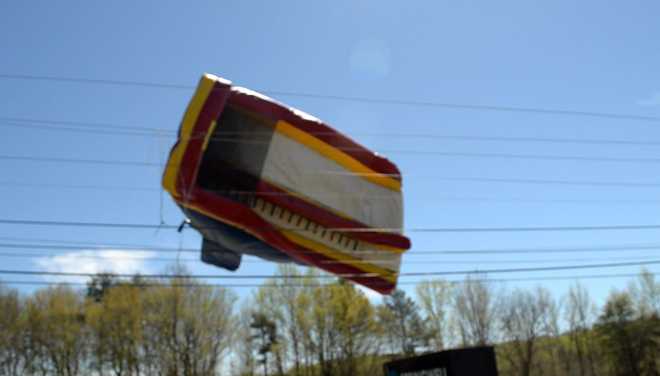
High winds
Overloading
Improper setup
Lack of supervision
Wet surfaces
Cheap, low‑quality inflatables
This guide gives you the engineering‑grade safety rules that eliminate 95% of risk.
THE 5 CORE SAFETY FACTORS
These five factors determine 95% of bounce house safety outcomes.
If you control these, bounce houses are extremely safe.
⭐ 1. Age & Weight Rules
Toddlers need separate units
No mixed ages
Follow manufacturer weight limits
Residential units are not adult‑safe
Older kids generate more force → anchoring becomes more important
⭐ 2. Anchoring & Stability
Stakes or sandbags required
Minimum 8 anchor points
Never skip anchoring indoors
Use proper stake angles (45°)
Recheck anchors every 20–30 minutes
Anchoring is the #1 factor in preventing tip‑overs and wall collapses.
⭐ 3. Weather Rules
Max wind: 15–20 mph
No rain
No wet slides
No thunderstorms
No cold‑cracked PVC (<40°F)
Wind is the most dangerous variable — follow these rules strictly.
⭐ 4. Setup Surface
Grass is best
Avoid concrete
Avoid slopes
Use tarps + ground covers
Keep 5–6 ft clearance around all sides
Surface choice affects stability, friction, and fall risk.
⭐ 5. Supervision
1 adult per 4–6 kids
No flips
No climbing walls
Enforce turn‑taking
Stop play if kids collide
Supervision eliminates 80% of injury scenarios.
AGE‑SPECIFIC SAFETY
⭐ Are Bounce Houses Safe for Toddlers?
Yes — but only toddler‑specific units with:
Low walls
Soft slides
Small chambers
Age‑appropriate bounce height
Toddlers should never be in a standard bounce house with older kids.
⭐ Are Bounce Houses Safe for Older Kids?
Yes — when:
Weight limits are respected
Age groups are separated
Anchoring is correct
Weather rules are followed
Older kids generate more force → anchoring becomes critical.
⭐ Are Bounce Houses Safe for Adults?
Only commercial PVC units are adult‑safe.
Residential nylon units are not engineered for adult weight or impact force.
MOST COMMON SAFETY MISTAKES (FROSTY’S LIST)
❌ Letting mixed ages jump together
❌ Ignoring wind rules
❌ Not anchoring properly
❌ Overloading
❌ Wet slides
❌ Setting up on concrete
❌ Using cheap, non‑certified inflatables
❌ No supervision
These are the mistakes that cause nearly all injuries — and every one of them is preventable.
ENGINEERING‑GRADE SAFETY RULES (FROSTY’S FRAMEWORK)
Match the unit to the age group
Anchor all points — no exceptions
Follow wind rules strictly
Keep surfaces dry
Inspect seams + blower tube
Use proper power + extension cords
Follow weight limits
Supervise actively
This is the same framework used by rental operators and safety inspectors.
WEATHER SAFETY (QUICK RULES)
Stop at 15–20 mph winds
No rain
No wet slides
No thunderstorms
No cold‑cracked PVC (<40°F)
Weather is the fastest‑changing risk factor — check conditions every 10–15 minutes.
SETUP SAFETY (QUICK RULES)
Use a tarp
Avoid slopes
Keep 5–6 ft clearance
Keep blower tube straight
Use GFCI outlets
Keep cords dry
Setup errors are the second most common cause of injuries after wind.
SIGNS A BOUNCE HOUSE IS UNSAFE
Leaning to one side
Soft walls
Slow inflation
Blower overheating
Torn seams
Loose stakes
Wet surfaces
Kids falling into walls
If you see any of these, stop play immediately.
WHEN TO STOP PLAY IMMEDIATELY
Wind gusts
Rain starts
Blower slows
Unit leans
Kids collide
Slide becomes slick
Stakes pull out
Stopping early prevents 99% of serious incidents.
FROSTY’S SAFETY GUARANTEE
If you follow:
Age rules
Weight rules
Anchoring rules
Weather rules
Setup rules
Supervision rules
Bounce houses are one of the safest backyard activities.
FAQ
CONCLUSION
RELATED ARTICLES:
Bounce House Safety for Parents (2026): Age, Weight & Weather Rules
Bounce House Weather Guide (2026): Wind, Rain & Temperature Rules
Bounce House Anchoring Guide (2026): Stakes, Sandbags & Stability Physics)
How to Set Up a Bounce House Safely (2026 Step‑By‑Step Guide)
Bounce House Materials Explained (2026): Nylon vs PVC vs Hybrid