
How to Weather Proof Holiday Inflatables (Rain, Wind, Snow, Ice & Temperature Changes)
Learn how to weather-proof holiday inflatables for rain, wind, snow, ice, and temperature changes. Prevent tipping, water damage, mold, and blower issues.
By Frank “Frosty” Adminei
3/13/20264 min read
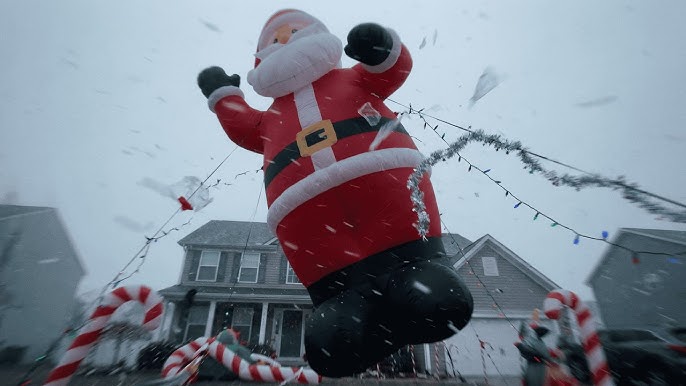
To weather‑proof holiday inflatables, protect them from rain, wind, snow, ice, and temperature swings using proper anchoring, waterproofing, blower protection, and climate‑specific setup strategies. These steps prevent damage, tipping, mold, and electrical issues.
Overview
This guide shows you how to weather‑proof holiday inflatables for rain, wind, snow, ice, and temperature changes. You’ll learn how to anchor safely, protect blowers, prevent water damage, avoid freezing issues, and keep your display running smoothly in any climate. With practical tips from Frank “Frosty” Adminei, this article helps you keep your inflatables safe, stable, and festive all season long.
SECTION 1 — Protecting Inflatables From Rain (Water, Moisture & Mold)
Rain Is the #1 Cause of Inflatable Damage
Rain leads to:
Waterlogged fabric
Blower intake issues
Mold and mildew
Electrical hazards
Best Practices
Use a waterproof tarp under the inflatable
Elevate the blower to avoid puddles
Use GFCI‑protected outdoor cords
Dry the inflatable fully after rain
Example
A Christmas Santa left on wet grass overnight may absorb moisture through the base, leading to mold during storage.
For mold removal, see our guide on how to clean holiday inflatables safely
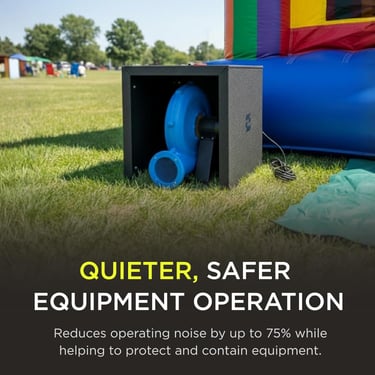
Waterproof Blower Cover
1. What It Is
A weather‑resistant cover that shields the blower from rain and splashes.
2. Why It Helps
Prevents blower failure and electrical hazards.
3. When to Use It
Rainy days, wet grass, or damp climates.
4. How to Use It
Place over blower, secure straps, ensure airflow.
5. Safety Notes
Never block the intake.
6. Best For
Bounce Houses and larger holiday inflatables exposed to rain.
SECTION 2 — Protecting Inflatables From Wind (Tipping, Dragging & Anchor Failure)
Wind Is the #2 Cause of Inflatable Failure
Wind can:
Tip inflatables
Tear anchor loops
Stretch seams
Damage internal wiring
Best Practices
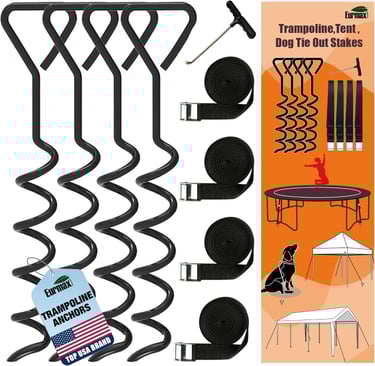
Use 4–6 stakes on grass
Use sandbags on hard surfaces
Add mid‑line tie‑downs for tall inflatables
Avoid operating inflatables in winds above 20 mph
Example
A 12‑ft snowman on a windy day may sway dangerously unless reinforced with sandbags and mid‑line anchors.
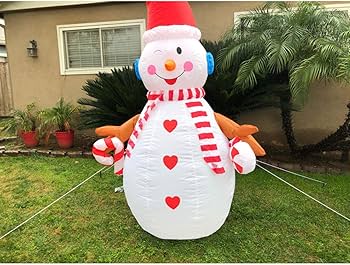
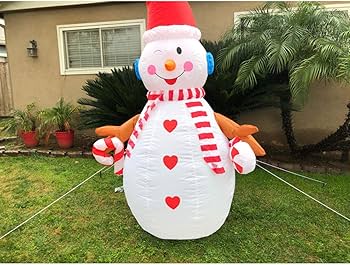
Heavy‑Duty Stakes or Sandbags Wind Kit
1. What It Is
A complete anchoring kit for windy conditions.
2. Why It Helps
Prevents tipping and anchor‑point tearing.
3. When to Use It
Windy days or tall inflatables.
4. How to Use It
Stake corners, add sandbags, secure mid‑lines.
5. Safety Notes
Do not operate in high winds.
6. Best For
Holiday inflatables over 6 feet tall.
SECTION 3 — Protecting Inflatables From Snow (Weight, Moisture & Freezing)
Snow Adds Weight
Snow accumulation can:
Collapse inflatables
Stretch seams
Damage internal wiring
Cause blower strain
Best Practices
Brush off snow regularly
Use a tarp to reduce ground moisture
Elevate blower to avoid snow intake
Avoid operating inflatables during heavy snowfall
Example
A Christmas tree inflatable may sag under wet snow unless cleared every few hours.
For setup on cold surfaces, see our guide on how to set up holiday inflatables on different surfaces.
Cold‑Weather Inflatable Base Mat
1. What It Is
A thick, insulated mat for snowy or frozen ground.
2. Why It Helps
Prevents freezing and moisture absorption.
3. When to Use It
Snowy or icy conditions.
4. How to Use It
Place under inflatable base.
5. Safety Notes
Ensure mat is fully flat so the wind doesn't catch it.
6. Best For
Holiday inflatables in cold climates.
SECTION 4 — Protecting Inflatables From Ice (Freezing, Brittleness & Slipping)
Ice Makes Vinyl Brittle
Cold temperatures can:
Make vinyl stiff
Increase risk of cracking
Reduce seam flexibility
Best Practices
Avoid folding inflatables when cold
Use insulated mats to prevent base freezing
Keep blower running to maintain warmth
Avoid operating inflatables below 15°F
Example
A frozen inflatable may crack at the seams if folded or moved while stiff.
SECTION 5 — Protecting Inflatables From Temperature Swings (Heat, Cold & Rapid Changes)
Temperature Swings Stress Vinyl
Rapid changes can:
Stretch seams
Cause color fading
Affect blower performance
Best Practices
Avoid placing inflatables in full sun
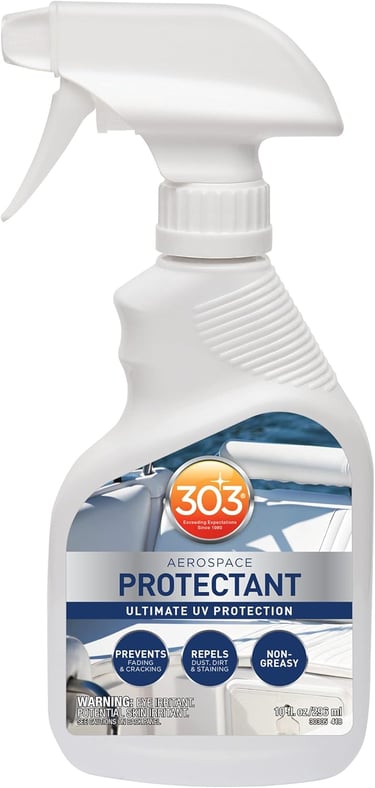
Use UV‑protective spray
Keep blower intake clear
Allow inflatables to warm up before folding
Example
A holiday penguin inflatable may fade faster in sunny climates without UV protection.
For discoloration issues, see our guide on how to clean holiday inflatables safely.
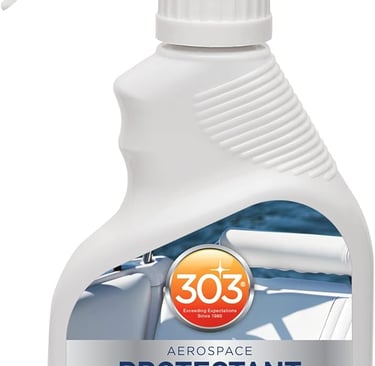
UV‑Protective Spray for Holiday Inflatables
1. What It Is
A UV‑blocking spray that protects inflatable colors.
2. Why It Helps
Slows fading and discoloration.
3. When to Use It
Before outdoor display.
4. How to Use It
Spray evenly, allow to dry.
5. Safety Notes
Avoid overspray on cars.
6. Best For
Holiday inflatables in sunny climates.
Conclusion
Weather‑proofing holiday inflatables is all about protecting them from rain, wind, snow, ice, and temperature swings. With the right tools and setup strategies, your inflatables will stay bright, stable, and safe — no matter what the season brings.
Related Articles:
How to Keep Inflatables From Blowing Away
How to Secure Inflatables on Concrete and Hard Surfaces
How Long Can You Safely Run Holiday Inflatables? (Day, Night, Weather & Power Guidelines)
Are Holiday Inflatables Safe for Kids & Pets? (Placement, Anchoring, Cord Safety & Visibility)
Best Lighting Accessories for Holiday Inflatables (Spotlights, Path Lights & Accent Lighting)